
Pelvic Floor Therapy

Life-changing care for anyone
who has a pelvis.

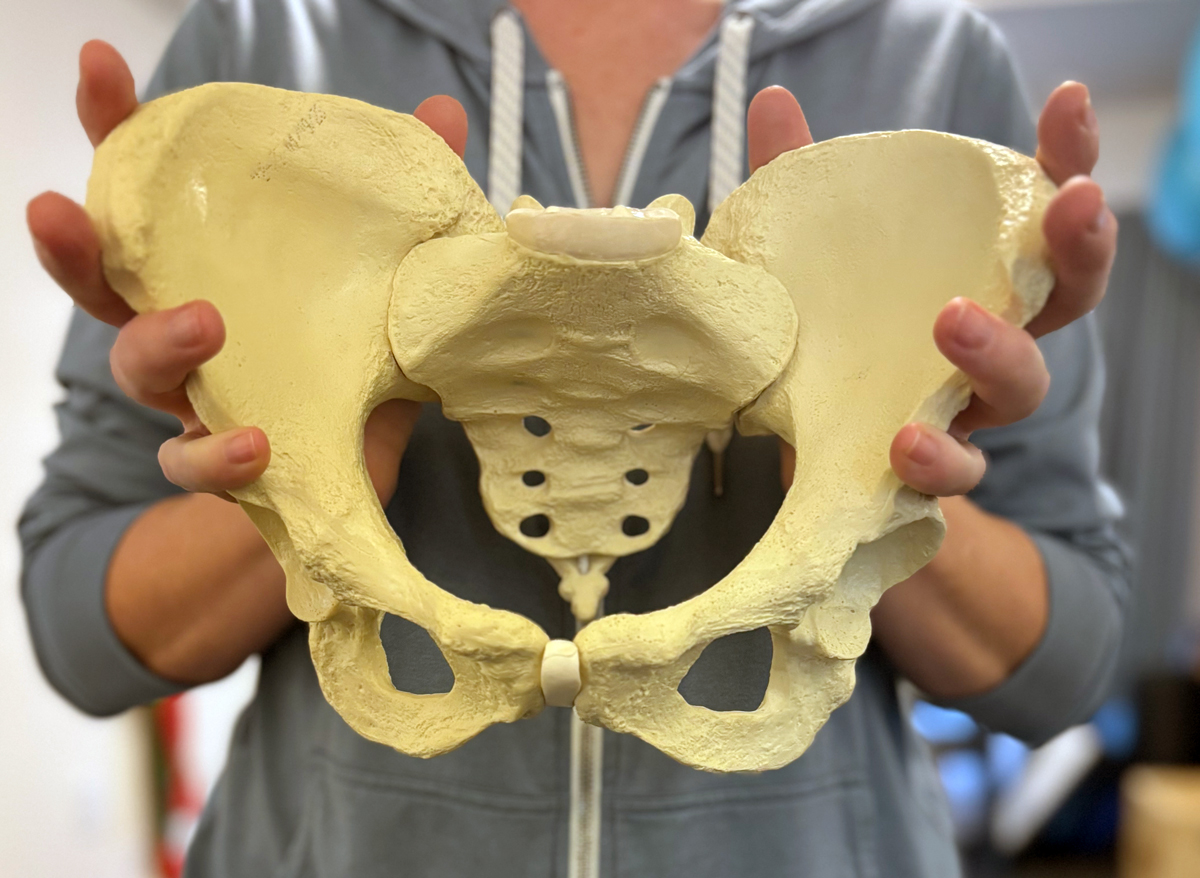
Pelvic health is often overlooked, misunderstood, or kept quiet—but it doesn’t have to be. Most people never receive a user manual for their body, and when symptoms show up, it can feel confusing or intimidating. We get it. At Tamarack Physical Therapy, we meet you where you are with compassionate, expert care. Pelvic floor physical therapy is low risk, highly effective, and can be truly life-changing. Investing in your pelvic health means investing in comfort, confidence, and a body that works better for you. Whether you’re dealing with pain, dysfunction, or simply don’t feel like yourself, you don’t have to live with it. We treat a wide range of pelvic health conditions for all genders and bodies.

Frequently Asked Questions about Pelvic Floor Therapy

  • What is pelvic floor physical therapy?:
    • Pelvic floor physical therapy focuses on the muscles, nerves, and connective tissues that support the bladder, bowel, and reproductive organs. Treatment may include education, manual therapy, movement retraining, breath work, and strength or relaxation exercises to improve function and reduce symptoms.
  • Who can benefit from pelvic floor therapy?:
    • Pelvic floor therapy can help people of all genders and ages. It is commonly recommended for individuals experiencing pelvic pain, bladder or bowel leakage, prolapse, pain with intercourse, pregnancy or postpartum concerns, post-surgical recovery, or difficulty with core stability and movement.
  • Do I need a referral to start pelvic floor therapy?:
    • A referral is not required to begin physical therapy. However, we believe it is best to work as part of a larger medical team when it comes to pelvic floor problems. For certain conditions, we may ask you to see your doctor before coming to therapy. We are happy to answer any questions to determine what is best for your care.
  • What happens during the first appointment?:
    • Your initial visit includes a thorough evaluation of your symptoms, medical history, posture, movement patterns, breathing, and core function. If appropriate and with your consent, this may include an internal pelvic floor muscle assessment. The evaluation is always patient-centered, and nothing is done without your understanding and permission.
  • Is an internal exam required?:
    • No. An internal exam can be a helpful assessment tool, but it is never required. Your comfort and sense of safety are priorities, and treatment plans are always adapted to your preferences and needs.
  • Is pelvic floor therapy painful?:
    • Pelvic floor therapy should not be painful, though you may experience mild discomfort at times, especially when working with sensitive tissues. Treatment is always guided by your tolerance, and we adjust techniques to ensure care remains safe, respectful, and effective.
  • How many sessions will I need?:
    • The number of visits varies depending on your symptoms, goals, and how your body responds to treatment. Some people notice improvement within a few sessions, while others benefit from a longer course of care. Your therapist will discuss expectations and progress with you along the way.
  • Can pelvic floor therapy help even if I’ve had symptoms for years?:
    • Yes. Many people seek pelvic floor therapy after living with symptoms for months or even years. While every body is different, meaningful improvement is possible at any stage, and treatment is tailored to your history and current goals.
  • Is pelvic floor therapy only for postpartum patients?:
    • No. While pelvic floor therapy is highly beneficial during pregnancy and postpartum, it also helps individuals who have never been pregnant, those in perimenopause or menopause, athletes, and people recovering from surgery or managing chronic pelvic conditions.
  • What should I wear to my appointment?:
    • Wear comfortable clothing that allows for movement. You do not need to wear anything specific, and your therapist will guide you if any adjustments are needed during your session.
  • How is pelvic floor therapy different from doing Kegels?:
    • Pelvic floor therapy is much more than Kegels. In fact, some conditions require relaxation and coordination rather than strengthening. Therapy focuses on how the pelvic floor works with breathing, posture, and movement to support your whole body.
  • Do you treat men?:
    • Yes! Men have pelvic floors too! Men seek pelvic floor physical therapy for a variety of concerns, including urinary leakage or urgency, difficulty emptying the bladder, pelvic or testicular pain, and bowel dysfunction such as constipation or straining. Pelvic floor therapy is also commonly used to support recovery after prostate or pelvic surgery, address erectile dysfunction or pain with sexual activity, and improve core strength and pelvic stability. Many men also pursue care for persistent pain with sitting or cycling, low back pain, or symptoms related to overactive or overly tense pelvic floor muscles.

Contact

Corey Williams, MPT
Tamarack Physical Therapy

Address:

602 West Second St.
Cle Elum, WA 98922


Telephone:

(509) 306-5105


Fax:

(800) 589-7414


© 2026 Tamarack Physical Therapy
All Rights Reserved.